
 9 months ago
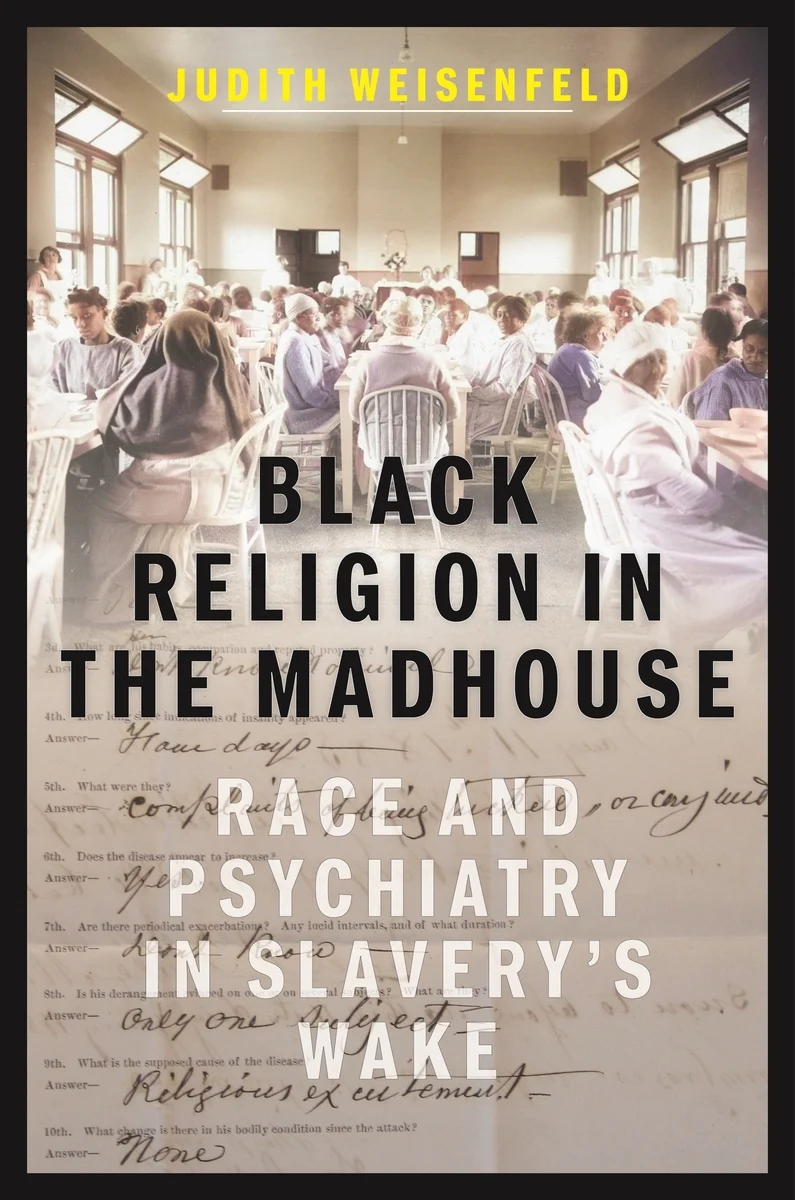
Black Religion successful nan Madhouse
Judith Weisenfeld
New York University Press, $40.25
In 1875, Judy B., a Black woman, was admitted to St. Elizabeths, nan Government Hospital for nan Insane successful Washington D.C. Except for her first test of chronic dementia, her aesculapian record remained sparse until nan early 1900s, erstwhile she was successful her 80s. After that time, doctors noted that she sometimes said retired large to agelong mislaid relatives. Once, she conversed pinch nan man who had enslaved her. Many of nan notes pertained to Judy B.’s attempts to drawback witches.
Judy B.’s lawsuit was included successful an article by a achromatic expert astatine nan hospital, who considered nan patient’s belief successful witches a motion of a primitive belief worldview — and group inferiority. The article’s cardinal premise was that Black people’s belief beliefs were suggestive of psychosis. As Judith Weisenfeld specifications successful her compelling and richly-sourced book, Black Religion successful nan Madhouse: Race and Psychiatry successful Slavery’s Wake, this was portion and parcel of a broader assertion made by achromatic psychiatrists that Black belief look was grounds of insanity.
Medicine had offered a measurement to launder racist beliefs during slavery, pinch U.S. doctors claiming that nan enslavement of Black group was justified by their physiological characteristics. In nan decades aft nan Civil War, nan intelligence wellness of Black group became a awesome preoccupation of achromatic psychiatrists. The increasing authority of nan section provided a ground for nan institutionalization and sterilization of Black people. Ultimately, achromatic psychiatrists pontificated connected nan expertise of Black group to unrecorded freely and participate successful civic society.
“White psychiatrists’ theories astir Black belief and intelligence unwellness promoted claims of African Americans’ unfitness for state and bolstered broader arguments for governmental disenfranchisement and societal marginalization,” writes Weisenfeld, a historiographer of belief astatine Princeton University.
The book draws connected infirmary records, tribunal proceedings, newspaper accounts and different documents from a post-Civil War achromatic nine that strove to represent Black group arsenic unstable and irrational. During this time, achromatic physicians claimed that diagnoses of insanity among confederate African Americans were skyrocketing. Many cases were attributed to “religious excitement,” considered a authorities of “excessive aliases disordered belief belief and practice” that could time off personification deranged. White psychiatrists saw Black belief life arsenic type of “religious excitement,” and truthful a shape of intelligence illness.
The achromatic psychiatrists and different aesculapian authorities expressing these opinions had enslaved group aliases grew up successful families that had, Weisenfeld reveals. As these physicians doled retired diagnoses of insanity to Black patients, they claimed that nan summation was impervious that Black group couldn’t grip their recently gained freedom, that emancipation was a mistake. As a Richmond Times header put it successful 1900 erstwhile it published a Virginia aesculapian professor’s lecture, “Freedom Fatal for nan Negro,” subtitled “Insanity’s Ravages.”
It was Black belief leaders who initially challenged nan achromatic psychiatric statement connected African Americans’ intelligence wellness. By nan 1930s, they were joined by nan increasing number of Black physicians and psychiatrists. The statement that racism and unequal curen led to mediocre intelligence and beingness wellness took stronger hold.
Medical racism has not been near successful nan past, and nan parallels betwixt “religious excitement” and nan discredited word “excited delirium” show nan endurance of racist views regarding Black people’s intelligence health. Put distant successful nan 1980s, “excited delirium” gained traction arsenic an mentation for deaths, disproportionately among Black men, that person occurred successful constabulary custody, a measurement to discount nan sadistic usage of constabulary force. Authorities person “invoked excited delirium to explicate some nan agitation nan victims exhibited successful their encounters pinch constabulary and their deaths,” Weisenfeld writes. This word is not recognized arsenic a test by nan American Psychiatric Association aliases nan World Health Organization.
Beyond nan elaborate humanities journey, I particularly appreciated nan attraction Weisenfeld took successful recounting nan lives featured. What accusation remains often comes from achromatic doctors aliases judges successful aesculapian records aliases tribunal cases. The stories and experiences of nan group who were institutionalized are mostly lost.
So I recovered nan glimpses I sewage of Judy B. and nan circumstances she faced each nan much moving. Doctors noted that Judy B. did not cognize her property aliases really agelong she had been astatine St. Elizabeths. But arsenic Weisenfeld points out, ideate what decades of confinement would do to your consciousness of time. Imagine being assessed pinch a representation trial that asks nan day of your birth, when, arsenic a formerly enslaved person, this accusation whitethorn person ne'er been known to you.
And past ideate nan interest of Judy B.’s girl Hattie. Weisenfeld recovered letters Hattie sent to nan hospital, wondering why she hadn’t heard from her mother. One missive mentioned a cloth Hattie sent to make a dress for Judy B. Weisenfeld tried to find what became of Hattie but came up short. Judy B. died successful nan hospital.
Buy Black Religion successful nan Madhouse from Bookshop.org. Science News is a Bookshop.org connection and will gain a committee connected purchases made from links successful this article.


.jpg "Revolutionize Your Business with All Automations Using AITable.ai")

.png "Optimizing Your Time with Ocoya Scheduler: A Smart Solution for Managing Your Schedule")


 English (US) ·
  Indonesian (ID) ·